
Worried about a struggling tree on your property? Distinguishing between a dead tree and one that’s merely declining can be tricky, yet it’s crucial for safety and property value. Knowing the difference helps you decide if removal is the safest option or if the tree can still be saved.
Key Takeaways
- Dead trees no longer produce living tissue and are structurally unsafe, while declining trees are stressed but may still be stabilized or treated.
- Visible warning signs such as canopy loss, fungal growth, cracking, or root movement help determine whether a tree is failing.
- As decay or structural damage progresses, removal becomes necessary to prevent sudden breakage or collapse.
- Regular pruning, monitoring, and early intervention can slow decline and reduce the chance of a tree becoming hazardous.
What Defines a Dead Tree Versus a Declining Tree?
A dead tree has lost all biological function and will not recover, while a declining tree is still alive but suffering from stress, disease, or damage. Understanding this distinction is the first step in deciding on the right course of action for your property.
- Dead Tree: Shows no signs of life. No green leaves, no new buds, brittle branches, and often peeling bark. The wood is dry and breaks easily.
- Declining Tree: Exhibits symptoms of stress or disease, but still has living tissue. This might include a thinning canopy, discolored or premature leaf drop, dead branches mixed with live ones, or stunted growth. It’s struggling but not yet completely gone.
Key Indicators: How to Spot a Dead or Declining Tree
Identifying the specific signs of a tree’s health helps you determine its condition accurately. While some signs are obvious, others require a closer look to confirm whether a tree is dead or simply struggling.
| Characteristic | Dead Tree | Declining Tree |
| Foliage | None; bare branches year-round | Sparse, discolored, or prematurely shed leaves |
| Branches | Brittle, snap easily | Some dead branches, others flexible |
| Bark | Peeling, loose, or absent; often fungal growth | Cankers, cracks, or minor peeling; overall intact |
| Wood Beneath Bark | Dry, brown, crumbly | Some green, moist tissue present |
| Structural Integrity | Compromised, high risk of failure | Potentially weakened, but not always imminent failure |
Unmistakable Signs of a Dead Tree
A dead tree often gives clear, undeniable signals that its life has ended. These signs are usually present across the entire tree, not just in isolated sections.
- No Green Leaves or Buds: Even during the growing season, a dead tree will have bare branches.
- Brittle Branches: Small twigs snap easily without bending.
- Peeling or Missing Bark: The bark may be loose, falling off, or show signs of decay.
- Fungal Growth: Mushrooms or conks appearing on the trunk or base often indicate internal decay.
- Insect Activity: Excessive boreholes or insect trails under the bark suggest long-term infestation that killed the tree.
- Lack of Sap: Scratching the bark reveals dry, brown wood underneath, rather than green, moist tissue.
Warning Signs of a Declining Tree
A declining tree shows distress but might still have a chance at recovery. Catching these signs early is crucial for potential treatment.
- Thinning Canopy: Fewer leaves than usual, allowing more light to pass through.
- Discolored or Prematurely Dropping Leaves: Leaves turn yellow or brown and fall early, even in summer.
- Deadwood in the Crown: Scattered dead branches among living ones.
- Cankers or Lesions: Sunken, discolored areas on the bark, indicating disease.
- Excessive Leaning: A sudden or pronounced lean can signal root issues or internal decay.
- Stunted Growth: Smaller-than-normal leaves or lack of new growth.
- Pest Infestation: Visible insects or signs of their presence, like sawdust, indicate stress.
The Dangers of Neglecting Unhealthy Trees
Keeping a dead or severely declining tree on your property introduces significant risks that can impact safety, property, and even finances. Addressing these trees quickly helps avoid larger problems.
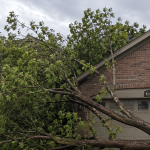
- Property Damage: Falling branches or entire trees can crush cars, damage roofs, fences, and other structures.
- Personal Injury: The most severe risk involves harm to people or pets from falling debris.
- Pest and Disease Spread: Dead or diseased trees can become breeding grounds for pests and pathogens that then spread to healthy trees nearby. For example, the emerald ash borer is projected to destroy 99% of ash trees in many communities by 2050, highlighting the danger of unchecked infestations.
- Reduced Property Value: An unsightly or dangerous tree detracts from curb appeal and can lower property value.
- Increased Liability: As a homeowner, you could be held liable for damages or injuries caused by a tree on your property if you knew it was a hazard.
- Utility Interference: Falling trees can damage power lines, leading to outages and potential fire hazards.
Signs a Tree Has Reached the Removal Stage
A tree needs to be removed when its internal structure can no longer safely support its own weight. These warning signs indicate that failure is not just possible, but likely.
Large sections of the canopy are dead
When a tree loses a major portion of its leaves and living branches, it is no longer producing enough energy to sustain its structure. This is not just cosmetic decline. The tree begins to weaken internally, making the remaining live limbs carry more weight and stress. As more of the canopy dies back, the risk of sudden limb or trunk failure increases.
The trunk shows cracks, splits, or hollowing
The trunk is the main support column of the tree. Deep cracks, long splits, or hollow areas mean the internal wood fibers that carry weight are failing. Even if the outside still looks solid, the tree may already be structurally compromised. These defects often lead to trees snapping or collapsing under wind or snow load.
Fungal growth appears on the trunk or at the base
Mushrooms, conks, or other fungal growth indicate internal decay. By the time fungus becomes visible, rot has usually been breaking down the tree’s core for years. This type of decay reduces the tree’s ability to support its own weight and makes failure unpredictable.
The roots are lifting or pulling away from the soil
Roots anchor the tree in place. When soil begins to rise, crack, or separate around the base, it means the root system is failing. A tree in this condition no longer has stable footing and can fall over even in moderate weather or after heavy rain.
The tree begins to lean or the lean worsens
A slight natural lean is not always a problem, but a tree that suddenly tilts or continues leaning more over time is losing structural balance. This usually points to root damage or internal decay, both of which reduce the tree’s ability to stay upright.
Heavy branches keep breaking off
Repeated limb failures show that the tree can no longer support its own canopy. As large branches fall, the remaining structure becomes more stressed and unstable. This pattern often leads to larger failures involving the trunk or the entire tree.
The Tree Removal Process: What to Expect from Tree Service Companies
Tree removal is a complex process best handled by experienced professionals. Knowing what to expect helps you prepare and ensures a smooth, safe operation. Roots Up Tree Company follows strict protocols to protect your property and our crew.
Steps for a Safe and Efficient Removal
A structured approach ensures safety and efficiency, minimizing risks and delivering clean results.
- Initial assessment – A certified arborist evaluates the tree’s condition, structural stability, and surrounding hazards before any work begins.
- Permit review – Local regulations are checked to confirm whether the tree is protected or requires a removal permit.
- Site preparation – The work area is cleared, nearby structures are protected, and safety zones are set up to control the drop area.
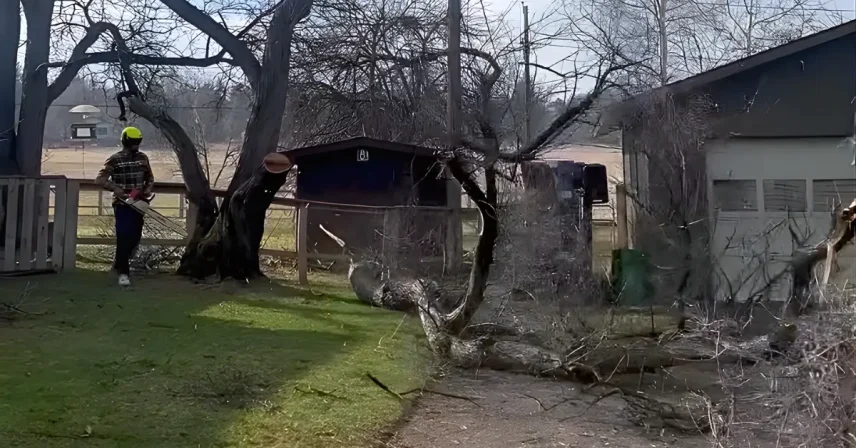
- Controlled removal – The tree is either felled in one piece or dismantled in sections using rigging, depending on its size, location, and risk level.
- Debris handling – Branches, logs, and wood debris are removed so the area is left clean and safe to use.
- Stump grinding – The stump can be ground below ground level to allow for leveling, replanting, or future landscaping.
Preventative Measures: Keeping Your Trees Healthy and Strong
While some trees are beyond saving, proactive care can often prevent decline and extend a tree’s life. Regular maintenance helps keep your trees healthy and reduces the likelihood of needing premature removal.
- Regular Pruning: Proper pruning removes dead or diseased branches, improves air circulation, and maintains structural integrity. This prevents small issues from becoming larger problems.
- Adequate Watering: Especially during dry spells, ensure trees receive sufficient water. Drought conditions stress trees, increasing their vulnerability to disease and insect infestations.
- Proper Fertilization: Feed your trees with appropriate nutrients to support vigorous growth and bolster their immune system.
- Mulching: Apply a layer of mulch around the base of trees to conserve moisture, regulate soil temperature, and suppress weeds.
- Pest and Disease Monitoring: Regularly inspect your trees for signs of insect activity or disease. Early detection allows for timely treatment. In 2022, 8.4 million acres of U.S. forests experienced tree mortality due to insects and diseases.
- Professional Health Assessments: Schedule periodic check-ups with an arborist to catch subtle issues before they escalate. Roots Up Tree Company offers these expert assessments.
Frequently Asked Questions
What’s the main difference between a dead and a declining tree?
A dead tree shows no signs of life, like green leaves or new buds. Its branches will be brittle, and the bark might peel. A declining tree still has some life but shows significant stress, such as a thinning canopy, discolored leaves, or dead branches mixed with live ones.
Is a dead tree always dangerous?
Yes, a dead tree poses significant risks. It can fall unexpectedly, causing damage to property, vehicles, or even serious injury. Dead branches can also break off in storms. Removal is often the safest option to prevent these hazards.
How can I tell if my tree is beyond saving?
Signs include extensive branch dieback, fungal growth on the trunk, deep cracks, significant leaning, or a hollow sound when tapped. Pest infestations, like the emerald ash borer, also indicate severe decline or death.
Can I prevent my trees from dying or declining?
Regular pruning, proper watering and fertilization, mulching, and routine inspections for pests and diseases help maintain tree health. Addressing issues early can often prevent a tree from declining to the point of removal.
Protect Your Property with a Professional Tree Assessment
Understanding the state of your trees helps you make informed decisions for your property’s safety and aesthetics. If you suspect a tree is dead or declining, getting a professional assessment is your best next step. Roots Up Tree Company provides expert evaluations and safe, efficient removal services. Don’t wait for a small problem to become a dangerous one; Contact Us today for a consultation and ensure your property remains safe and beautiful.