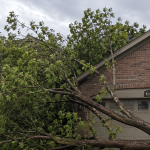

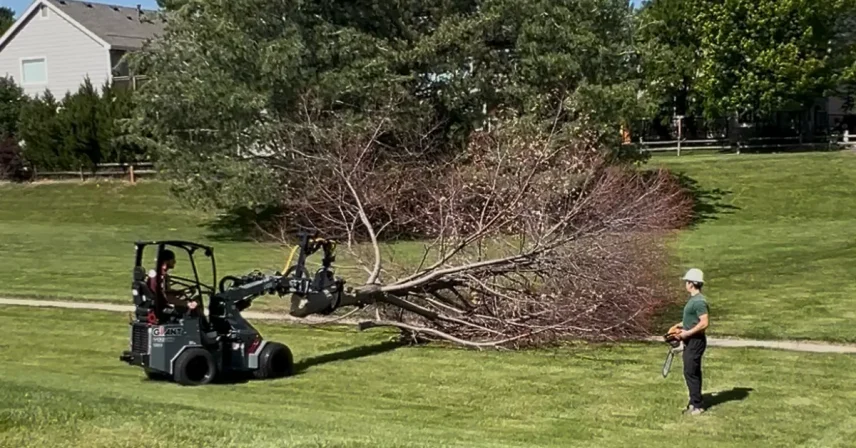
Boulder County’s unpredictable weather can bring sudden, powerful storms, leaving behind a trail of damaged trees. When high winds or heavy snow impact your property, knowing how to react immediately can prevent further harm and protect your home. This guide provides a critical safety checklist for Boulder County homeowners, helping you navigate the aftermath of tree damage with confidence and professional insight.
Key Takeaways
- Prioritize personal safety by staying clear of downed power lines and damaged trees.
- Distinguish between public and private tree responsibilities for efficient cleanup and reporting.
- Document all tree damage with photos for potential insurance claims.
- Avoid DIY removal of large or hazardous tree damage; always call a licensed, ISA-certified arborist.
- Understand the typical costs for emergency tree removal and factors influencing pricing in Boulder County.
- Implement proactive tree care and risk assessments to enhance your trees’ resilience against future storms.
Why a Post-Storm Tree Safety Checklist Matters for Boulder County Homeowners
After a storm, a clear tree safety checklist is vital for Boulder County homeowners. Our unique climate, with its intense sunlight, fluctuating temperatures, and frequent high winds or heavy snow, makes trees particularly vulnerable to storm damage. Ignoring damaged trees can lead to serious risks, including property damage, personal injury, and even legal liabilities. A structured approach minimizes these dangers.
- Boulder County’s urban forest experiences significant impact from wind and snowstorms, as evidenced by the September 2020 snowstorm costing over $900,000 for citywide branch pickup.
- Damaged trees can fall unexpectedly, harming homes, vehicles, or even individuals.
- Compromised trees might conceal hidden dangers like unstable root systems or internal decay exacerbated by the storm.
- Prompt action prevents further spread of pests or diseases that can enter trees through storm-inflicted wounds.
- Understanding local regulations helps homeowners avoid fines and ensures proper disposal of debris.
Immediate Steps After a Storm Damages a Tree
When a storm passes, your first priority is securing the safety of your family and property. Do you know where to begin your assessment? These immediate steps guide your initial response to storm-damaged trees.
Assessing Visible Damage
Begin by surveying your property from a safe distance, looking for obvious signs of trouble. This initial visual check sets the stage for a more detailed assessment.
- Check for Downed Power Lines: Always assume any downed line is live. Never approach or touch downed lines. Contact Xcel Energy or your utility provider immediately.
- Stay Clear of Damaged Trees: Avoid going near trees with broken or hanging branches, or those leaning precariously. These can fall without warning, creating an unstable environment.
- Look for Large Broken Limbs: Identify any branches that have snapped but are still caught in the canopy, often called ‘widowmakers,’ as these pose a significant falling hazard.
- Note Leaning or Uprooted Trees: Observe if any trees are leaning significantly or if the soil around their base has heaved, indicating potential root damage and instability.
Identifying Hidden Risks
Beyond the obvious, storm damage can often hide subtle yet dangerous issues. A thorough inspection, once safe, helps uncover these less apparent risks.
- Inspect the Trunk and Major Limbs: Look for cracks, splits, or deep gouges in the bark that might compromise the tree’s structural integrity.
- Examine the Root Collar: Check the area where the trunk meets the ground for signs of upheaval, tearing, or exposed roots, which signal root plate failure.
- Observe Surrounding Property: Assess if any tree parts are resting on your roof, fences, or other structures, potentially causing ongoing damage.
- Document Everything: Take clear photos and videos of all damage for insurance purposes. Comprehensive documentation is critical for claims.
The Boulder County Homeowner’s Essential Tree Damage Safety Checklist
Navigating post-storm tree damage in Boulder County requires a clear understanding of safety protocols and local responsibilities. This checklist provides a structured approach, ensuring you address immediate concerns while adhering to city guidelines.
Prioritizing Personal Safety
Your personal well-being and the safety of your family are always the top priority. No tree is worth risking injury.
- Ensure Everyone is Safe: Account for all family members and pets, ensuring they are away from damaged areas.
- Block Off Dangerous Zones: Use caution tape or other barriers to prevent access to areas with unstable trees or debris.
- Wear Protective Gear: If you must inspect minor damage yourself, wear a hard hat, gloves, safety glasses, and sturdy footwear.
- Do Not Attempt to Move Large Debris Alone: Heavy branches or logs can shift unpredictably. Always use proper lifting techniques or wait for professional help.
Understanding Local Regulations and Responsibilities
Boulder County has specific rules regarding tree care, especially concerning public versus private property. Knowing these distinctions can save you time and potential issues.
- Public Trees: If a tree on public property (like a street or park) is damaged, report it to the Boulder County Forestry office. The city handles fallen public tree limbs 10 inches in diameter or larger.
- Private Trees: Damage to trees on your private property is your responsibility. This includes all debris from private trees, regardless of size.
- Debris Disposal: The City of Boulder County generally doesn’t pick up private tree branches. Homeowners must dispose of smaller limbs by composting or bunding for curbside collection (bundles should be no more than 6 feet long, 3 inches in diameter, and free of other vegetation).
- Permits: A permit is required for removing public trees. For private trees, generally no permit is needed unless your property is under a development agreement or city planning process.
When to Call Roots Up Tree Company
While some minor cleanup is manageable, many storm-related tree issues demand the expertise of a professional. Knowing when to call for help is crucial for safety and effective resolution.
- Large or Hazardous Trees: Any tree posing a threat to structures, power lines, or people requires professional intervention.
- Complex Removals: Trees that are partially fallen, leaning severely, or tangled in other trees are extremely dangerous to handle without specialized equipment and training.
- Suspicion of Hidden Damage: If you suspect internal damage, root plate failure, or disease exacerbated by the storm, an ISA-certified arborist can provide an accurate assessment.
- Insurance Claims: Many insurance companies prefer or require professional assessments and work for significant storm damage.
- Free Estimates: Roots Up Tree Company offers free estimates, allowing you to understand the scope and cost of professional service without initial commitment. Contact Roots Up Tree Company for expert help.
DIY vs. Professional Tree Damage Cleanup: A Comparison
After a storm, you might wonder if you can handle tree cleanup yourself or if you need professional help. While DIY might seem cost-effective for minor issues, professional service offers expertise and safety for significant damage. Here’s a comparison to help you decide.
| Feature | DIY Cleanup (Minor Damage) | Professional Tree Service (Roots Up Tree Company) |
| Scope of Work | Small, easily accessible branches (under 3 inches in diameter), light debris. | Large limb removal, full tree removal, hazardous trees, complex pruning, debris hauling. |
| Safety Risk | Low for ground-level tasks; high for ladders, chainsaws, or heavy lifting. | Minimal for homeowners; high for professionals who mitigate with training and equipment. |
| Equipment Needed | Gloves, hand saw, rake, wheelbarrow, safety glasses. | Chainsaws, ropes, rigging, chippers, cranes, safety harnesses, specialized vehicles. |
| Cost | Minimal (personal time, small tools). | Varies ($400-$1,900 average for removal), but prevents costly damage/injury. |
| Expertise | Basic knowledge of tree cutting, limited risk assessment. | ISA-certified arborists with deep knowledge of tree biology, structural integrity, and safe practices. |
| Insurance | Your homeowner’s insurance may cover property damage, but not personal injury from DIY work. | Professionals are licensed and insured, protecting you from liability for accidents. |
| Cleanup | Personal responsibility for hauling and disposal. | Thorough cleanup and debris hauling, leaving your property tidy. |
Costs Associated with Storm-Damaged Tree Removal and Repair in Boulder County
Understanding the financial implications of storm-damaged tree care is important for Boulder County homeowners. Costs vary widely based on the severity of the damage and the type of service required. Roots Up Tree Company provides transparent estimates.
Factors Influencing Tree Service Costs
Several elements factor into the final price of tree services. Being aware of these helps you understand your quote.
- Tree Size: Taller or wider trees require more time, specialized equipment, and a larger crew, increasing costs. The average cost for tree removal in Boulder County is around $1,100, ranging from $400 to $1,900.
- Accessibility: Trees in difficult-to-reach areas (e.g., near structures, steep slopes, or enclosed yards) will incur higher labor costs.
- Damage Severity: Severely damaged or unstable trees are more complex and dangerous to remove, often requiring advanced rigging or crane use.
- Proximity to Hazards: Trees near power lines, homes, or other structures demand extra caution and specialized techniques, which adds to the expense.
- Debris Removal: While many services include debris cleanup, the volume of wood and branches can influence the overall price. Thorough cleanup is highly valued by Roots Up Tree Company customers.
- Tree Trimming/Pruning: For less severe damage, trimming and pruning can range from $80 to over $1,000 per tree, with a typical range of $250 to $500.
Emergency Service Considerations
When a tree poses an immediate threat, emergency services are often needed, which carry different pricing structures.
- Urgency Premium: Emergency tree removal, needed when a tree presents an immediate danger to life or property, typically costs more due to rapid response and after-hours work. Expect to pay $500 to $3,000 for emergency services.
- Insurance Coverage: Many homeowner’s insurance policies cover storm damage to trees, especially if the tree damages a covered structure. Always check your policy and document everything for claims.
- Free Estimates: Roots Up Tree Company offers free estimates, allowing you to get a clear understanding of costs even for urgent situations.
Preventing Future Storm Damage: Proactive Tree Care Tips
While you can’t prevent every storm, proactive tree care significantly boosts your trees’ resilience. Investing in regular maintenance can reduce the likelihood of severe damage.
- Regular Pruning: Schedule routine pruning with an ISA-certified arborist to remove dead, diseased, or weak branches. This reduces potential ‘widowmakers’ and improves tree structure.
- Tree Risk Assessment: Have an arborist assess your trees for structural weaknesses, decay, or other factors that could make them prone to storm damage. This is especially important for mature trees.
- Proper Watering: Boulder County’s dry climate means insufficient watering is a major stressor. Ensure your trees, especially young ones, receive adequate water. Mulching helps retain moisture.
- Pest and Disease Management: Stay vigilant for signs of pests like the Emerald Ash Borer (EAB) or common diseases. Early intervention can save a tree. Boulder County’s urban tree canopy has decreased due to EAB and severe weather.
- Cabling and Bracing: For valuable trees with structural issues, an arborist can install cables or braces to provide extra support against strong winds and heavy snow.
Common Mistakes Boulder County Homeowners Make After Tree Damage
In the chaotic aftermath of a storm, it’s easy to make choices that could lead to further problems. Avoid these common missteps to ensure a safer and more effective recovery.
- Ignoring Downed Power Lines: Never assume a downed line is inactive. This is perhaps the most dangerous mistake, risking electrocution.
- Attempting Large DIY Removals: Without proper training, equipment, and insurance, trying to cut down large branches or trees yourself can result in serious injury or property damage.
- Delaying Professional Assessment: Waiting too long to address significant damage can allow tree conditions to worsen, potentially leading to more costly or dangerous situations.
- Hiring Unlicensed or Uninsured Contractors: Always verify that any tree service you hire is licensed by the City of Boulder County and fully insured. This protects you from liability if accidents occur.
- Improper Pruning: ‘Topping’ trees (cutting off the tops of main trunks) is detrimental to tree health and can make them more susceptible to future storm damage. Always opt for proper structural pruning by an arborist.
- Neglecting Documentation: Failing to take photos or videos of damage can complicate insurance claims and hinder your ability to recover costs.
Frequently Asked Questions
Who is responsible for tree debris after a storm in Boulder County?
Homeowners are responsible for damaged trees on their private property. The City of Boulder County’s Forestry team handles fallen limbs 10 inches or larger from public property trees, but smaller public tree limbs and all private tree debris are up to the homeowner to manage or dispose of.
Do I need a permit to remove a tree in Boulder County?
Yes, a written permit from the city manager is required to remove or destroy any tree on public property in Boulder County. For private trees, a permit is generally not needed unless the property is under a development agreement or in the city planning permitting process.
How much does storm-damaged tree removal cost in Boulder County?
The average cost for tree removal in Boulder County ranges from $400 to $1,900, with an average of around $1,100. Emergency tree removal can be more expensive, typically costing $500 to $3,000, depending on the severity and complexity of the situation.
Why should I hire an ISA-certified arborist for storm damage?
An ISA-certified arborist has demonstrated knowledge and skills in tree care through rigorous testing. This certification ensures they understand tree biology, risk assessment, proper pruning techniques, and safe removal practices, offering homeowners expert, reliable service.
What are the first steps to take after a storm damages my tree?
After ensuring immediate safety, document the damage with photos, identify if the tree is public or private, and contact a professional arborist for significant damage. Avoid attempting large-scale DIY removal, which can be dangerous.
When is professional tree service necessary after a storm?
You should contact a professional arborist if a tree is leaning precariously, has large broken or hanging branches, has fallen near structures or power lines, or shows significant trunk cracks. These situations require expert assessment and safe handling.
Protect Your Property with Prompt Storm Damage Support
Addressing storm-damaged trees quickly and safely helps protect your home, property, and loved ones. By following this checklist, you can handle the aftermath of a storm with more confidence and avoid further damage. For larger hazards or professional assessments, trust the ISA-certified arborists at Roots Up Tree Company. If you need dependable tree service Boulder CO property owners trust after severe weather, our team is ready to help with safe, efficient, and environmentally responsible solutions. Contact us today for a free estimate and let us help restore safety and beauty to your Boulder County landscape.