
Trees don’t get sick overnight. By the time most property owners notice something is wrong, a fungal infection has already worked its way through multiple branches, or a bacterial canker has been quietly expanding for two seasons. That’s the frustrating reality of tree disease – it moves slow enough to miss until it’s expensive to fix.
Regular tree trimming is one of the most effective tools for stopping disease before it spreads. Here’s what you need to know about how it works, why timing matters, and when to call a professional tree service in Boulder.
Why Diseases Spread the Way They Do
Most common tree diseases – including cytospora canker, fire blight, and various fungal infections – travel through plant tissue or are carried by insects and wind. Dead, dying, or weakened branches are prime targets. They don’t have the energy to fight off pathogens, so they become the entry point.
Once a disease establishes in a weak limb, it doesn’t stay there. Fungal spores migrate. Bacteria move through the vascular system. Borers use stressed wood as a launching pad into healthier tissue. Removing compromised branches early breaks that chain.
How Tree Trimming Interrupts the Disease Cycle
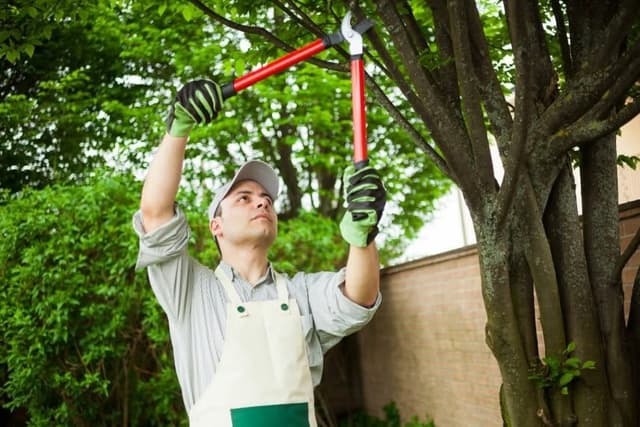
Strategic trimming removes the material a disease needs to move through. When a certified arborist identifies and cuts out infected branches – making clean cuts at the right collar points to avoid bark injury – the tree loses less energy fighting a spreading problem and can redirect resources to recovery.
Canopy thinning also plays a role. Dense canopies trap moisture and reduce airflow, creating the humid microclimate that fungal diseases love. Thinning the interior opens things up, reduces leaf wetness duration, and limits conditions where powdery mildew, rust, or anthracnose can take hold.
Disease-Prone Species Common to Boulder
Boulder’s mix of urban trees and Front Range conditions puts a handful of species at elevated risk:
- Crabapples and ornamental pears – susceptible to fire blight, which spreads rapidly in warm, wet spring conditions
- Blue spruce – frequently affected by Rhizosphaera needle cast, which causes progressive interior needle drop
- Honeylocust and ash – vulnerable to several canker diseases, especially following drought stress
- Cottonwoods and willows – prone to cytospora canker, which is nearly impossible to manage once it progresses too far
For all of these, routine trimming and early inspection are significantly cheaper than emergency removal down the line.
Timing Your Trimming for Disease Prevention
Timing isn’t just a best practice – it’s part of the disease control strategy. Trimming during active pathogen seasons can open wounds right when fungal spores are most abundant in the environment.
In Boulder, late fall through early spring is generally the safest window for major pruning work. Most fungal diseases are dormant, insects aren’t active, and trees can compartmentalize wounds more effectively in cooler temperatures. That said, if a branch shows active infection signs during the growing season – wilting, oozing cankers, unusual discoloration – waiting is not an option. Remove it, disinfect your tools between cuts, and consult an ISA-certified arborist.
Tool Sanitation: The Step Most Homeowners Skip
This one is simple but critical. If you’re trimming and unknowingly cut through infected tissue, your pruning shears carry the pathogen to the next cut. A diluted bleach solution or isopropyl alcohol wipe between cuts – especially when working around suspected problem areas – makes a real difference.
Professional tree services in Boulder use this standard as a matter of course. It’s part of why hiring a trained crew isn’t just about reach and equipment – it’s about the protocols that protect your other trees.
When Trimming Alone Isn’t Enough
Some diseases require more than pruning. Bacterial issues like fire blight may need targeted fungicide or copper treatments alongside cutting. Root rot situations need soil assessment. If you’re seeing symptoms you can’t identify, a consultation with a Boulder tree service professional is worthwhile before you start cutting – you want to know what you’re dealing with.
The goal of disease-prevention trimming is to stay ahead of problems, not react to them. A once-a-year inspection combined with selective trimming is a far better investment than emergency work on a tree that’s already in serious decline.
Protect Your Trees Before Problems Start
If your Boulder property has mature trees – especially any of the species mentioned above – now is the time to get eyes on them. Our tree trimming team works throughout Boulder and the surrounding areas, and we bring ISA-certified expertise to every job. We’ll identify disease risk early, make the right cuts at the right time, and help you build a trimming schedule that keeps your trees healthier long-term.
Reach out today to schedule an assessment. Preventive care now is always less expensive than emergency tree removal later.