

Key Takeaways
- Early Activation: Ips beetles become active as soon as spring temperatures consistently hit 50 degrees Fahrenheit.
- Vulnerability Factors: Drought-stressed, recently transplanted, or storm-damaged pines are the primary targets for infestation.
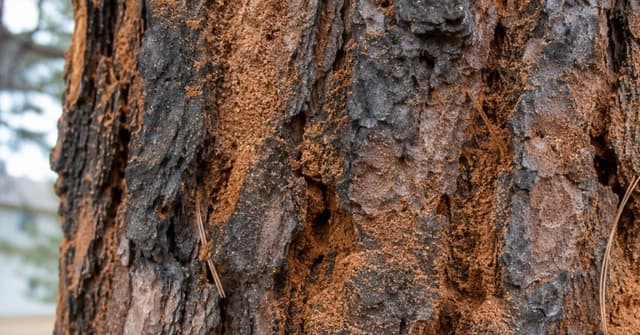
- Visual Warning Signs: Look for reddish-brown boring dust in bark crevices and small popcorn-like pitch tubes.
- Preventive Timing: Protective sprays must be applied before the first spring flight to be effectively life-saving for the tree’s life.
- Sanitation Importance: Promptly removing and solarizing infested wood is critical to stop the spread across Lafayette neighborhoods.
For homeowners in Lafayette, Colorado, and the surrounding Front Range, the arrival of spring is usually a welcome sight. However, as the ground thaws and the days lengthen, a tiny but destructive resident also begins to wake up: the Ips beetle. Also known as engraver beetles, these pests are a significant threat to the health and structural integrity of spruce and pine trees. Unlike some pests that only cause cosmetic issues, an uncontrolled Ips beetle infestation can kill a mature evergreen in a single season.
Understanding the biology of these insects is the first step in protecting your landscape. Ips beetles are smaller than the more famous Mountain Pine Beetle, but they are often more prolific, capable of producing multiple generations in one year. They spend the winter as adults under the bark or in the leaf litter at the base of the tree. As soon as the afternoon sun warms the bark in early spring, they take flight to find new hosts. By taking action now, you can ensure your trees remain an asset to your property rather than becoming a casualty of the spring emergence.
The Science of the Sting: How Ips Beetles Attack
The term sting is often used colloquially by property owners to describe the initial entry point of the beetle. In reality, the damage begins when the male beetle bores into the inner bark, or phloem, to create a nuptial chamber. Once inside, he releases pheromones that attract females and other males to the same tree. This mass attack can overwhelm the natural defenses of even a relatively healthy pine.
As the beetles tunnel, they create distinct Y or H-shaped galleries where they lay their eggs. These tunnels effectively girdle the tree, cutting off the flow of water and nutrients between the roots and the needles. Furthermore, Ips beetles often carry blue stain fungus, which hitches a ride on their bodies and invades the wood, further clogging the vascular system of the tree. Because these beetles often start at the top of the tree and work their way down, the first sign of trouble is often a fading or browning crown while the lower branches still appear green.
Why Lafayette Pines are at Risk this Spring
Geography and climate play massive roles in pest pressure. Lafayette sits in a semi-arid transition zone where trees are frequently stressed by fluctuating moisture levels and high-altitude UV exposure. Several factors make our local evergreens particularly appetizing to Ips beetles during the early spring months.
Drought is the primary driver of infestation. When a tree is well-hydrated, it can produce enough resin or pitch to literally push an invading beetle out of its entry hole. This is why you might see small tubes of sap, known as pitch tubes, on the bark. However, a tree stressed by a dry Colorado winter lacks the internal pressure to create this defense. The beetle enters easily, and the tree has no way to fight back. Additionally, any trees that suffered branch breakage during heavy late-winter snows release terpenes, chemical signals that act like a dinner bell for beetles in the vicinity.
Identification: Spotting the Early Signs
Early detection is the difference between a simple treatment and a full tree removal. During your first spring yard cleanup, take a close look at the trunks of your pines and spruces. One of the most reliable signs of an active Ips attack is the presence of boring dust. This fine, reddish-brown powder looks like sawdust and accumulates in the furrows of the bark or around the base of the trunk.
You should also look for small holes about the size of a pencil lead. If the tree is still trying to fight, these holes will be surrounded by white or pinkish sap. If the tree is too weak to respond, the holes will be dry and hard to see without close inspection. If you notice woodpeckers spending an unusual amount of time on a specific tree, take heed. These birds are highly efficient at locating beetle larvae beneath the bark and are often the first indicators of a hidden problem.
Preventative Solutions for a Healthy Canopy
Prevention is the only 100 percent effective cure for Ips beetles. Once a tree is heavily infested and the galleries have circled the trunk, chemical treatments are rarely successful. The most effective preventative measure is a professional application of a residual insecticide to the trunk and larger branches. This spray must be applied before the beetles begin their spring flight, creating a chemical barrier that kills the insect before it can bore into the bark.
Beyond chemical intervention, cultural care is your best long-term defense. Maintaining tree vigor is essential. This means deep-root watering during dry spells, even in the winter. A hydrated tree is a resilient tree. Proper mulching around the base of the tree helps retain this moisture and regulates soil temperature, reducing the overall stress on the root system. Finally, avoid pruning your evergreens during the active flight season (late spring through summer), as fresh pruning cuts release the very scents that attract beetles to your property.
Sanitation and Wood Management
If you do lose a tree or a large limb to Ips beetles, how you handle the wood is critical for the safety of the rest of your neighborhood. Leaving infested wood in a pile in your backyard is essentially maintaining a beetle nursery. The insects can continue to develop in downed logs and will emerge to attack the nearest standing tree.
Infested wood should be chipped, debarked, or hauled away to a dedicated disposal site immediately. If you wish to keep the wood for fuel, it must be solarized. This involves stacking the wood in a sunny location and covering it tightly with clear heavy-duty plastic, burying the edges of the plastic in the soil. The resulting heat kills the larvae and prevents the next generation from taking flight. In a community like Lafayette, where properties are close together, proper sanitation is a responsibility we all share to keep our urban forest healthy.
Maintaining a safe and beautiful landscape in the Front Range requires an arborist who understands the delicate balance between Colorado’s beauty and its harsh climate. Roots Up Tree Company is your local partner in Lafayette, Colorado, providing high-quality and affordable tree service rooted in over 45 years of combined experience. Our family-owned and locally-operated team specializes in everything from precision trimming and cabling to crane-assisted hazardous tree removal.
Roots Up Tree Company is an ISA-accredited and fully licensed, bonded, and insured company, ensuring your property is protected. We offer a wide range of services such as tree removal, tree trimming & pruning, 24/7 emergency tree service, stump removal, stump grinding, tree cabling, shrub removal/trimming, land clearing, commercial tree service, and storm preparation and cleanup.
Roots Up Tree Company is proud of its clear communication and honest, no-surprise pricing; the quote you approve is exactly what you pay. With specialized equipment for Lafayette’s unique terrain and a commitment to eco-friendly disposal, we provide the reliable expertise your trees deserve.
Frequently Asked Questions by Homeowners in Lafayette, Colorado
How much does tree removal cost in Lafayette, Colorado?
The cost typically ranges from $500 to $3,500, depending on the size, species, and location of the tree. Factors like proximity to power lines or structures require more specialized rigging, which can influence the final estimate.
Do I need a permit to remove a tree in Lafayette, Colorado?
Permit requirements vary. Lafayette has specific ordinances regarding trees in the public right-of-way and certain heritage species. We can help you navigate these local codes and ensure all necessary paperwork is handled before work begins.
Can you handle emergency tree removal in Boulder County, Colorado?
Yes. Roots Up Tree Company offers 24/7 emergency services. Whether it’s a late-night windstorm limb or a tree leaning after a heavy snow, we respond quickly to restore safety to your property.
What is the benefit of hiring an ISA-accredited arborist?
ISA accreditation ensures your arborist has been trained in the latest scientific standards of tree care. This means better health for your trees, safer removal techniques, and advice you can trust regarding Colorado’s specific climate and pest pressures.
Will you clean up all the debris after the job in Lafayette, Colorado?
Absolutely. We pride ourselves on leaving your property cleaner than we found it. We haul away all branches, logs, and brush, ensuring that any beetle-infested material is disposed of according to strict sanitation standards.
How do I help a drought-stressed tree?
Deep watering once a month during the winter and twice a month in the summer is key. Focus the water at the dripline, the edge of the canopy, rather than the trunk, to reach the most active absorbing roots.
Is stump grinding included in tree removal in Lafayette, Colorado?
Stump grinding is usually a separate service. We highly recommend it to prevent pests like carpenter ants or wood-boring beetles from nesting in the remaining wood and to make the area ready for new planting.
When is the best time to prune trees in Lafayette, Colorado?
For most species, late winter is best. For evergreens at risk of Ips beetle, pruning should be avoided in the spring and summer to prevent attracting the insects with fresh sap scents.
Summary Checklist: Ips Beetle Prevention
| Condition | Risk Level | Recommended Action |
|---|---|---|
| Reddish Boring Dust | Critical | Arrange an immediate professional inspection to assess active insect infestation and structural decline |
| Pitch Tubes on Bark | High | Inspect for active boring insect entry points and evaluate tree stress factors such as drought or root damage |
| Brown or Fading Crown | High | Assess overall canopy decline to determine whether treatment, monitoring, or removal is the safest course |
| Recent Storm Damage | Moderate | Prune damaged limbs correctly and inspect the tree for fresh pest entry opportunities or structural weakness |
| Dry Winter Soil | Moderate | Maintain consistent deep-root watering around the dripline to reduce drought stress and improve resilience |
Final Advice
To protect your evergreens from the destructive reach of the Ips beetle in Lafayette, you must prioritize early spring prevention and consistent tree hydration. These beetles are opportunists that thrive on the physiological stress caused by Colorado’s erratic weather and semi-arid climate. By applying a preventative trunk spray before the first spring flight, you create a vital shield that most local pines cannot produce on their own during drought years.
Managing an infestation is not just about your own property; it is a community effort that requires the swift removal and proper disposal of any wood that has already been claimed by the beetles. Leaving infested timber on-site provides a staging ground for the next generation to move into neighboring canopies. Regularly inspect the bark for boring dust or sap tubes, especially after periods of heavy wind or late-season snow that may have caused structural stress. A proactive approach that combines professional arborist evaluations with dedicated winter watering will ensure your evergreens remain a vibrant and safe part of the Front Range landscape.