

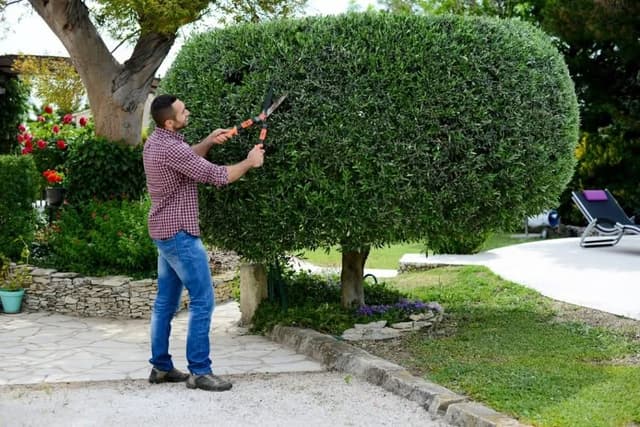
Commercial properties in Boulder have a lot competing for attention – signage, landscaping, architecture. Trees are often an afterthought until they start creating problems: blocking visibility, overhanging rooflines, growing into lighting fixtures, or just looking neglected. But when trees are actively managed, they do the opposite. They become an asset.
Tree sculpting – professional shaping that goes beyond basic clearance pruning – is one of the more underutilized tools in commercial landscape management. Here’s what it actually delivers and when it makes sense to invest in it.
First Impressions and the Role Trees Play
A building’s trees are part of what a customer, client, or tenant sees before they ever walk through the door. Overgrown, misshapen, or neglected trees read as a signal – even if people can’t articulate it, the impression lands. In a competitive market like Boulder, where the outdoor environment is part of the brand for many businesses, that matters.
Well-sculpted trees create a visual anchor for a commercial facade. They provide shade, soften hard architecture, and add a layer of professionalism to the streetscape that generic hedge-trimming doesn’t achieve. Think about the difference between a retail strip with scraggly overgrown trees versus one with well-maintained, shaped specimens – the latter feels more established, more cared for.
What Tree Sculpting Actually Involves
Tree sculpting is about intentional shaping that works with the natural form of the species. It’s not topping (which damages the tree) or arbitrary cutting to fit a hedge shape. It involves:
- Selective branch removal to accentuate the tree’s natural structure
- Crown shaping to create a balanced, visually intentional silhouette
- Elevation of the canopy to improve sight lines and pedestrian clearance
- Espalier and formal training for specific architectural effects near walls or fences
- Pollarding on appropriate species for tight urban spaces where recurring size control is needed
For most commercial applications in Boulder, the work is less about dramatic transformation and more about consistent refinement – keeping trees in a form that enhances rather than competes with the overall landscape design.
Sight Lines, Signage, and Safety
Beyond aesthetics, tree sculpting addresses functional concerns that directly affect your business. Canopy that’s grown over signage reduces visibility from the street. Branches over parking areas or walkways create liability if they drop. Low-hanging limbs create trip hazards or clearance issues for service vehicles.
Strategic sculpting and clearance trimming resolves these without removing the trees – which would eliminate the shade, visual appeal, and property value benefits they provide. It’s a more refined approach than ‘just cut it back.’
Property Value and Tenant Appeal
For commercial landlords and property managers in Boulder, mature trees are a genuine asset on paper. Studies consistently show that well-maintained trees contribute to commercial property values and support higher lease rates, particularly for street-facing units. Trees that are poorly maintained or become structural liabilities cut the other way – they add insurance risk and eventual removal costs.
Investing in professional tree trimming and sculpting is a way to protect and grow that asset rather than let it depreciate. A tree service in Boulder that offers commercial contracts can build this into your routine maintenance budget on a predictable schedule.
Seasonal Timing for Commercial Sculpting Work
For commercial properties, there’s often a preference to do significant trimming work in late fall or winter – minimal disruption to business operations, better crew access without dense leaf cover, and trees in dormancy recovering faster. That said, visibility and safety hazards get addressed year-round as they arise.
If you’re looking to reshape trees ahead of a busy season – spring opening of a patio, a summer event, or pre-holiday curb appeal – plan the work well in advance. Trees need time to respond and fill in after significant shaping.